Expert Tire Services: Get Back on the Road Securely and Fast
Professional tire repairs play a crucial role in assuring vehicle safety and performance. Skilled technicians perform detailed inspections to pinpoint different tire problems. From flats to balance issues, every concern requires careful consideration. Knowing when to get professional support can avert additional issues. As drivers manage these hurdles, they might consider about the optimal fix options pertinent information and maintenance routines. Looking into these matters can result in sound choices and safer travels moving forward.
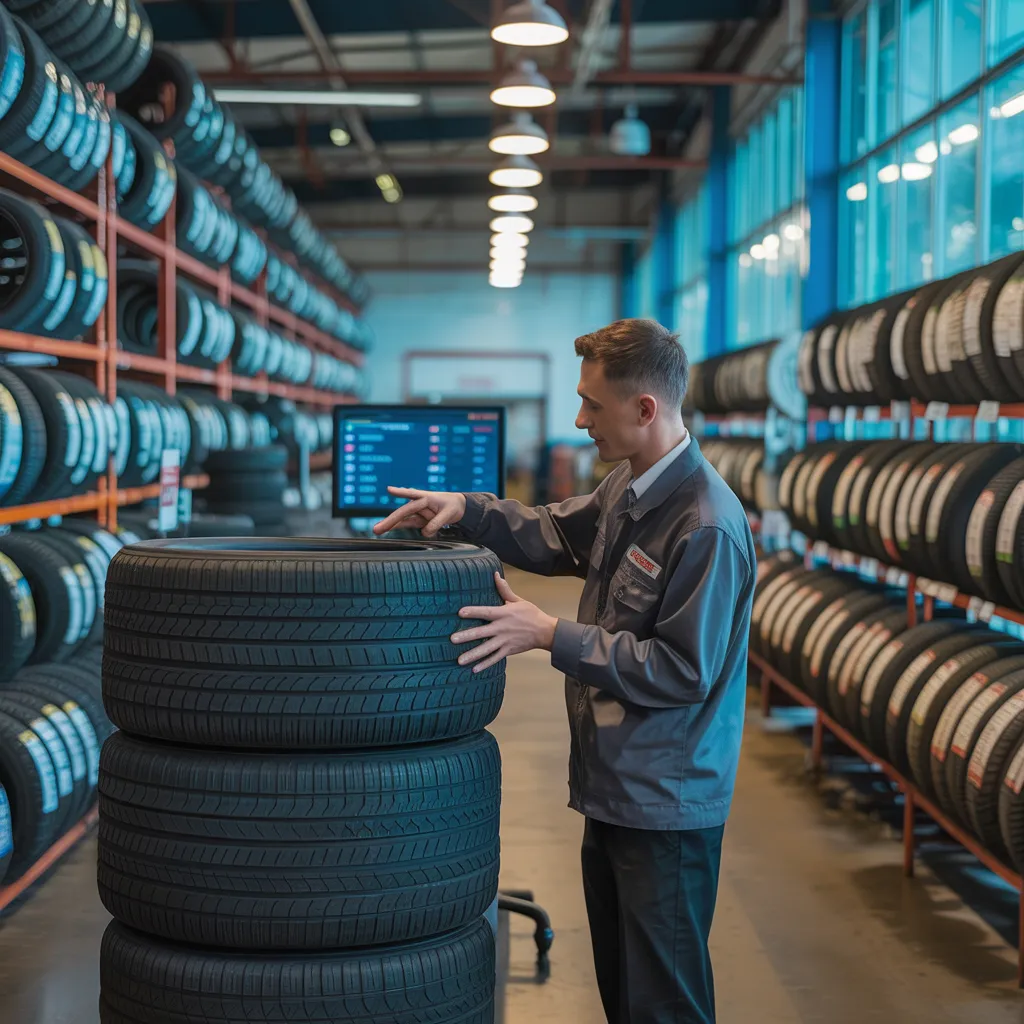
Regular Tire Concerns to Recognize
When drivers fail to check their tires, they may encounter several common issues that can undermine safety and performance. One prevalent issue is underinflation, which can result in increased tire wear and reduced fuel efficiency. Over time, this can cause the tires to overheat, raising the risk of a blowout. Another common problem is tread wear, which impacts traction and handling, particularly in wet conditions. Uneven wear may indicate alignment or suspension issues, demanding further inspection. Additionally, drivers may encounter punctures or sidewall damage from road hazards, causing slow leaks or complete tire failure. Consistent tire rotations, regular inspections, and appropriate inflation are vital for preventing these issues. Finally, weather-related factors can also cause tire degradation, making it essential for drivers to monitor their tire health. By recognizing these common problems, drivers can improve their safety on the road.
How to Identify When to Get Tire Work?
Identifying the markers that tire repairs are important is key for maintaining vehicle safety and capability. Drivers ought to stay alert for particular warning signs that suggest tire complications. Uneven wear formations on the tread, for instance, may reveal alignment complications or inadequate air pressure. Moreover, visible damage, like cuts, bumps, or perforations, commonly requires immediate response. A rapid reduction of air force or constant need for inflation also indicates that servicing may be essential.
Drivers should carefully observe handling and performance changes, such as vibrations or pulling to one side, which could point to tire imbalances or internal damage. Finally, regularly checking the depth of the tire tread is crucial; tires with worn or bald spots reduce traction. By monitoring these signs, drivers can confirm timely repairs, boosting both safety and vehicle longevity. Addressing these issues promptly not only thwarts potential accidents but also lowers more extensive repair costs down the line.
What You Should Know About the Tire Repair Steps
The tire fixing process typically includes several crucial steps to guarantee safety and effectiveness. Initially, a technician inspects the tire for obvious damage and assesses its overall condition. This examination helps decide whether the tire can be repaired or requires replacement. Following the inspection, the technician may remove the tire from the wheel to locate punctures or internal damage.
Once any issues are identified, the technician cleans the affected section and prepares it for repair. This may include installing a seal or insert, depending on the type and location of the damage. After the repair is completed, the tyre is reinstalled and correctly filled to the manufacturer's specifications.
Finally, a inspection process confirms that the repair meets safety requirements. Throughout the procedure, repair specialists prioritize communication, informing the client of findings and suggestions. This systematic method guarantees a dependable restoration, enabling drivers to return to the road with confidence.
DIY Tire Fixes vs. Professional Help
Once learning the tire restoration procedure, many drivers may evaluate whether to handle fixes independently or get expert assistance. DIY tire fixes can be attractive, particularly for those with basic technical expertise and implements. Easy perforations can often be fixed using mending kits sold at auto retail stores, cutting both time and money. However, this approach poses dangers if appropriate procedures are not applied, conceivably resulting in further damage or safety hazards.
Conversely, expert tire repair providers offer specialized knowledge and advanced tools. Skilled professionals can properly evaluate tire damage, ensuring repairs are effective and safe. They can also identify underlying issues that a do-it-yourself method might overlook. In the end, the decision regarding DIY repairs versus professional assistance relies on the driver's self-assurance, background, and how serious the tire damage is. Making an informed decision is crucial for maintaining safety while driving.
Steps for Choosing the Finest Tire Repair Service
How should drivers guarantee they choose the best tire restoration service? First, they should research local options, focusing on customer feedback and evaluations. This information provides clarity into the service quality and reliability of various shops. Next, checking for qualifications and memberships with well-known automotive organizations can reflect skill and experience.
Furthermore, drivers should ask about the range of repair options offered, making sure the shop can address their distinct tire needs. Pricing transparency is also important; reliable establishments deliver straightforward quotes without surprise fees.
In addition, analyzing the shop's warranty policies on repairs can offer peace of mind. Finally, location accessibility counts—your distance from home or workplace, as well as available hours, can sway the decision. By considering these aspects, vehicle operators can confidently select a tire repair service that serves their needs successfully.
Advantages of Ongoing Tire Care
Regular tire upkeep provides numerous benefits that prolong the life span and performance of tires. By regularly inspecting tire air pressure, tread depth, and overall condition, vehicle owners can guarantee ideal traction and control. Correct air pressure reduces wear, enhancing fuel efficiency and saving money at the pump. In addition, routine checks can help detect problems such as uneven wear or damage, enabling for timely repairs that prevent greater issues down the road.
Maintaining wheel tires likewise boosts safety by decreasing the chance of tire failures or accidents due to insufficient tread. Moreover, a well-maintained set of tires helps provide a smoother ride, improving comfort for both the driver and passengers. When individuals devote time to regular tire care, they can maximize the value of their investment, ensuring reliable performance and peace of mind during driving. Finally, maintaining tires regularly is a crucial element of being a responsible vehicle owner.
Advice on Preventing Future Tire Problems
Caring for tires proactively can greatly lessen the odds of future problems. Regularly checking tire pressure is indispensable; low tire pressure can lead to premature wear and compromised fuel efficiency. It is suggested to scrutinize tires for observable damage, such as cuts or bulges, which may denote structural concerns. Rotating tires every 5,000 to 8,000 miles helps guarantee even wear, lengthening their lifespan.
Moreover, maintaining correct alignment and balance is crucial to avoid uneven tread wear. Drivers should also examine tread depth, applying the penny test as an effective method; if Lincoln's head is visible, it's time for a new tire. Finally, preventing vehicle overload can prevent excessive strain on tires. By implementing these methods, vehicle owners can extend tire longevity and promote a safer driving experience.

Typical Questions Received
What amount of time is required for a regular tire restoration?
A typical tire fix usually takes 30 minutes to an hour based on the severity of damage and the specific repair required. Factors like technician availability and workshop volume can also influence the duration.
Can All Tire Kinds Be Repaired?
Certain tire types are beyond repair. Generally speaking, punctures within the tread area in passenger tires could be repairable, though sidewall damage, severe wear, or tires featuring multiple previous repairs typically require new tires to guarantee safety.
Understanding the Cost of Getting Your Tires Fixed?
The price of tire maintenance typically ranges from $10 to $30, depending on the damage and location. Factors such as tire kind and repair shop may influence the final cost, making it variable.
Does Insurance Include Tire Fixes?
Tire damage coverage differs based on which insurance policy you have. Various policies feature roadside assistance or repair costs, but others exclude these benefits. It's essential for people to look over their individual coverage terms to understand their protection for tire repairs.
How Can I Extend My Tire's Life?
To extend a tire's service duration, planned care is fundamental. This includes keeping pressures balanced correctly, switching tire positions often, sustaining proper wheel alignment, avoiding overloading, and watching tread wear for signals of deterioration or defects.
Comments on “Convenient Mobile Tire Service Houston at Home, Work, or Roadside”